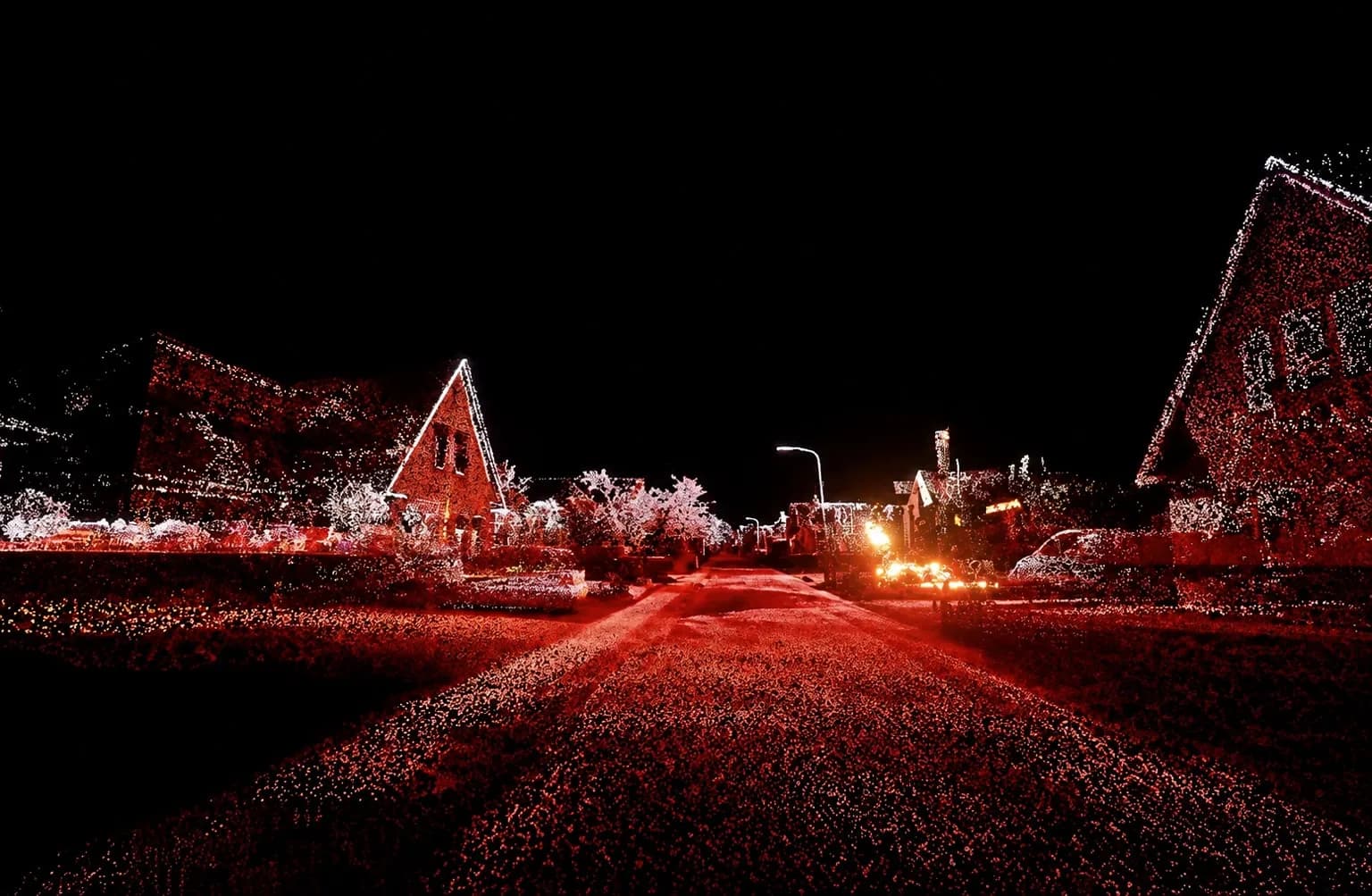
In Overschild, the Netherlands, artist and documentarian Gus Drake was working against a change that cannot be reversed. About 80 percent of homes in the village core are condemned after earthquake damage linked to gas extraction. Some of the houses he recorded were as much as 150 years old.
His project *Corridors of Memory* asked what can still be kept when the buildings themselves cannot. The result was a VR work for the Groninger Museum, shown through 23 August 2026.
Record the rooms before they vanish
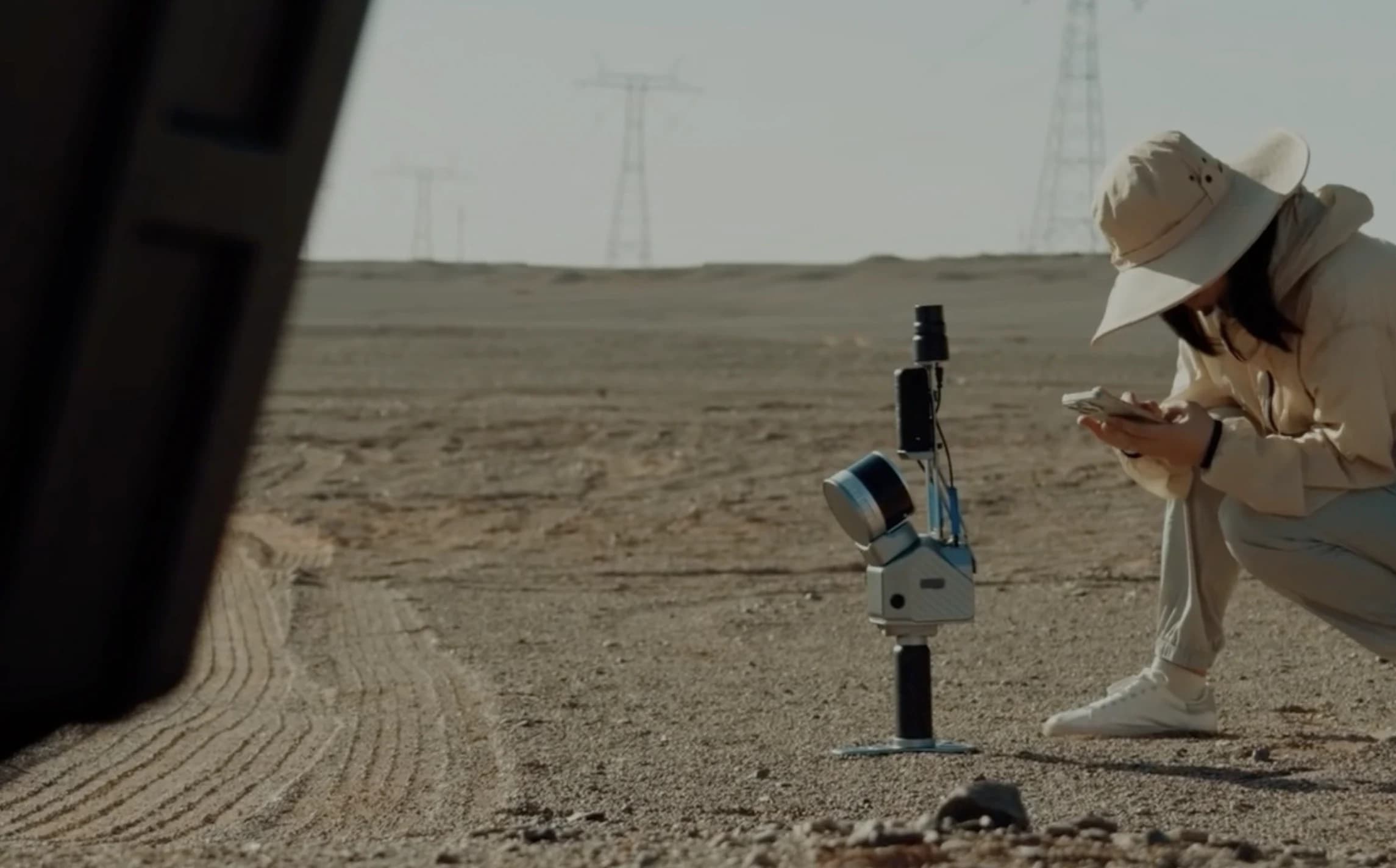
Drake had already spent years listening to residents when he began capturing the buildings. He walked the homes with the FJD Trion S2 and built a spatial archive. The village scans collected 1.2 billion points.
From point cloud to material an artist can use
The raw scans became usable in FJD Trion Model. Drake subsampled the clouds and stitched day and night captures before the work moved into his creative pipeline. The scan was not the finished artwork — it was the spatial record that memories could sit inside.
A demolished house cannot be entered again. A dense enough digital record can still be archived, processed, and shown. In Overschild that became a museum experience rather than only a measurement file.
Summarised from a customer story published by FJD Trion. Heritage interiors, churches, and buildings facing demolition in the Nordics follow the same logic: capture the space while you still can. Contact Norrpoint.
Talk to Norrpoint
Tell us about the job and we will come back with a recommended configuration, availability, and next steps.